Protein: The Macronutrient for Health, Hair, Skin, and Muscle
- Nutrition & Diet
- August 31, 2025
- 184
- 9 minutes read
Protein: The Essential Macronutrient for Health, Hair, Skin, and Muscle
Introduction
Greetings everyone, I would like to share insights about one of the most essential macronutrients, protein. This brief term encompasses a wide range of health advantages. It is safe to assert that protein is the cornerstone of our well-being.
What is Protein?
Protein is a vital macronutrient made up of 20 amino acids, including 9 essential amino acids that your body can’t produce on its own- meaning they must come from your diet. The remaining 11 are non-essential amino acids, which your body can synthesize internally. These amino acids are the building blocks for muscle growth, hormone regulation, immune support, and cellular repair.
From a nutritional science perspective, protein is made up of key elements like carbon, hydrogen, oxygen, nitrogen, and sulphur- each playing a critical role in metabolic function and overall health.
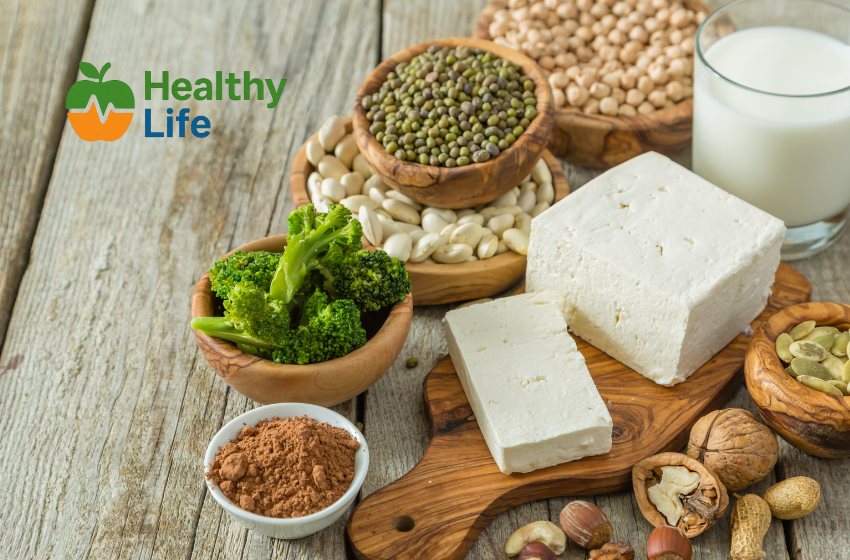
Whether you’re fueling a high-protein diet, following a clean eating plan, or optimizing your muscle recovery and performance, getting enough quality protein is essential. It’s found in a wide variety of whole foods like lean meats, eggs, legumes, dairy, nuts, seeds, and trending options like plant-based protein powders, superfood blends, and functional snacks.
If you’re serious about building lean muscle, enhancing your metabolism, or just living a balanced, energized lifestyle- prioritizing protein is non-negotiable.
Types of Protein
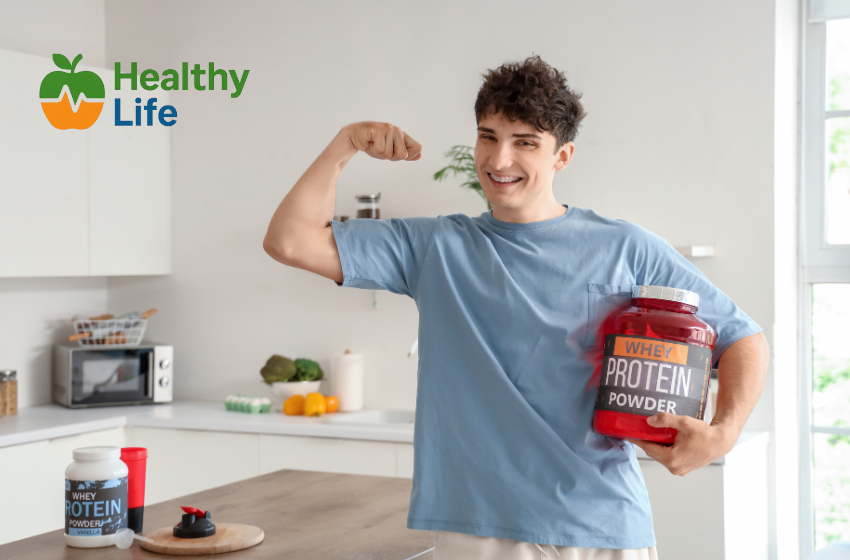
The market offers three types of protein: concentrated, isolated, and hydrolyzed. These proteins are sold as whey protein powders. The primary distinctions among these types are their digestion rates and cost.
| Protein Form | Price | Digestion Rate |
|---|---|---|
|
Hydrolyzed |
Expensive |
Quick |
|
Isolate |
Cheaper than hydrolyzed |
Moderate |
|
Concentrate |
More Affordable |
Slow |
Daily Protein Requirements for Males and Females
- For general health, protein intake should match body weight. For example, a 70 kg person should consume 70 grams of protein daily.
- For muscle building, individuals need to consume twice their body weight in protein. For example, a 70 kg person would require 140 grams of protein daily.
Word of Caution
- Drink 2-3 litres of water daily to enhance blood circulation and aid kidney function in filtering blood.
- Gradually transition to a protein-rich diet by starting low and progressively increasing intake.
Benefits of Protein
Did you know that your hair is made up of 95% protein? That’s why amino acids play a crucial role in supporting healthy hair growth, strength, and shine. These microscopic powerhouses are essential for hair cell regeneration and the production of keratin- the protein that gives your strands structure and resilience.
Key amino acids for hair transformation include:
- Cysteine and Methionine- Rich in sulfur, these essential amino acids supercharge keratin production, helping to reduce breakage, thinning, and other common hair concerns like frizz and dullness.
- Lysine- Promotes collagen synthesis, which supports the hair follicle and helps prevent early greying and structural damage- leaving your hair strong, shiny, and youthful.
- Tyrosine- Boosts melanin production, offering natural UV protection and supporting scalp health while maintaining your hair’s rich, vibrant color.
- Glutamine- Plays a key role in preventing hair loss and may even stimulate new growth, making it a must-have for fuller, thicker-looking hair.
To truly elevate your haircare routine, ditch the harsh chemicals. Choose clean beauty products- sulfate-free, paraben-free, and silicone-free shampoos and conditioners- that are enriched with amino acids and botanical actives to nourish your strands from root to tip.
Whether you’re on a journey to reverse damage, prevent shedding, or simply enhance shine, amino acid-infused haircare is a game-changer for anyone wanting strong, radiant, and resilient hair.
In a world full of skincare trends, one truth remains: glowing skin starts from within. While topical products are important, what you feed your body plays a massive role in how your skin looks and feels. Two super nutrients at the core of skin health? Amino acids and protein.
These essential building blocks do far more than just support muscles- they’re vital for collagen production, hydration, elasticity, and even UV protection. Here’s how they work their magic:
- L-Arginine: The Circulation Booster for Youthful Skin
L-Arginine is an amino acid that helps your body produce nitric oxide, which improves blood flow. Better circulation means more oxygen and nutrients reach your skin cells, stimulating collagen production and delivering a natural, youthful glow. Think of it as an internal facial- nourishing your skin from the inside out. - Amino Acids: Your Skin’s Natural Shield Against UV Damage
Environmental stressors like UV radiation, pollution, and free radicals are major culprits behind premature aging. Amino acids help build your skin’s defense barrier, protecting it from these aggressors and reducing the visible signs of aging such as wrinkles, dark spots, and loss of firmness. - Protein-Rich Foods: Fueling Collagen and Elastin Production
Your body relies on protein to produce collagen and elastin—two key proteins responsible for maintaining skin’s structure and bounce. Incorporating protein-packed foods like eggs, fish, lean meats, legumes, and bone broth can naturally boost your body’s ability to regenerate skin and maintain elasticity. - Natural Hydration: Amino Acids as Moisture Magnets
Some amino acids, especially those classified as Natural Moisturizing Factors (NMFs), help retain water in the skin. They improve hydration, reduce dryness, and revive dull skin, giving you that healthy, dewy finish that no highlighter can fake.
Guru Tip: Combine Inner Nutrition with Clean Skincare
For maximum impact, pair your amino acid-rich diet with clean, sulfate-free, paraben-free skincare products. Look for serums, moisturizers, and treatments infused with bioactive peptides and amino acid complexes to support your skin holistically.
Foods and Habits to Avoid
- Quit alcoholism and smoking.
- Minimize sugar and sodium intake.
- Avoid oily foods.
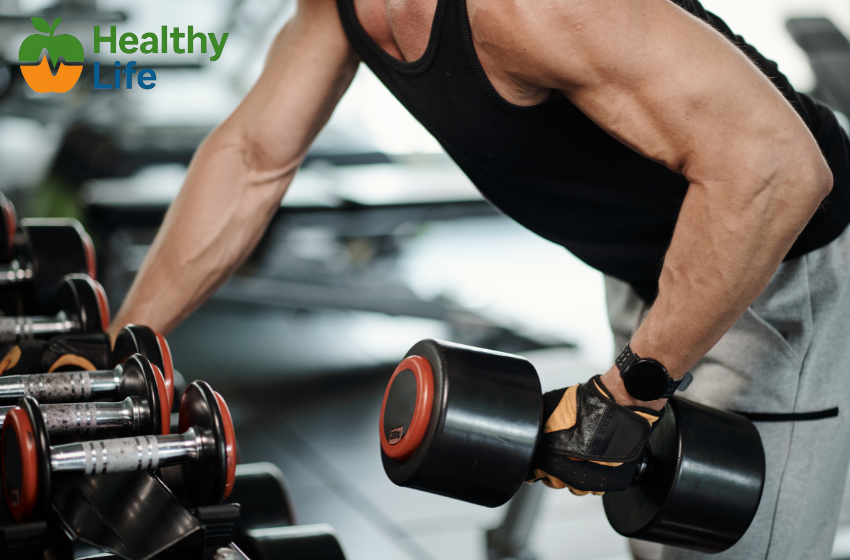
Protein for Muscle Building
- Protein is essential for muscle repair and growth.
- Consuming protein post-workout enhances recovery of muscle tissue.
- Adequate protein intake increases muscle mass and promotes growth.
Conclusion
I hope these insights empower you and enlighten you on your path to achieving your fitness goals. Remember, building a strong and healthy body is a sustainable fitness journey that requires consistency, discipline, and time. Focus on progress over perfection, and make the most of the tools and fitness resources available to you- whether it’s home workouts, nutrition tracking, or mindful living. Embrace and sustain a balanced approach to develop a long-lasting, healthy lifestyle. Follow our health tips @ HealthyHarsh.com and your feedback and support will encourage and motivate us