17 Foods That Should Never Be Placed in the Refrigerator
- Nutrition & Diet
- November 29, 2025
- 299
- 17 minutes read
Foods Not to Refrigerate
Foods Not to Refrigerate | In every Indian kitchen, the refrigerator often feels like a safe place

A safe place for almost everything-from vegetables and fruits to pickles and leftovers.
But not all foods appreciate the cold. So, what are the foods not to refrigerate?
Some become mushy, some lose their natural oils, some start tasting odd, and a few even spoil faster when refrigerated. Knowing what belongs outside the refrigerator is one of the simplest ways to preserve nutrition, flavor, and reduce food waste.
Today, let’s explore 17 foods that should never be placed in the refrigerator, along with helpful storage tips and quick healthy recipes using several of them.
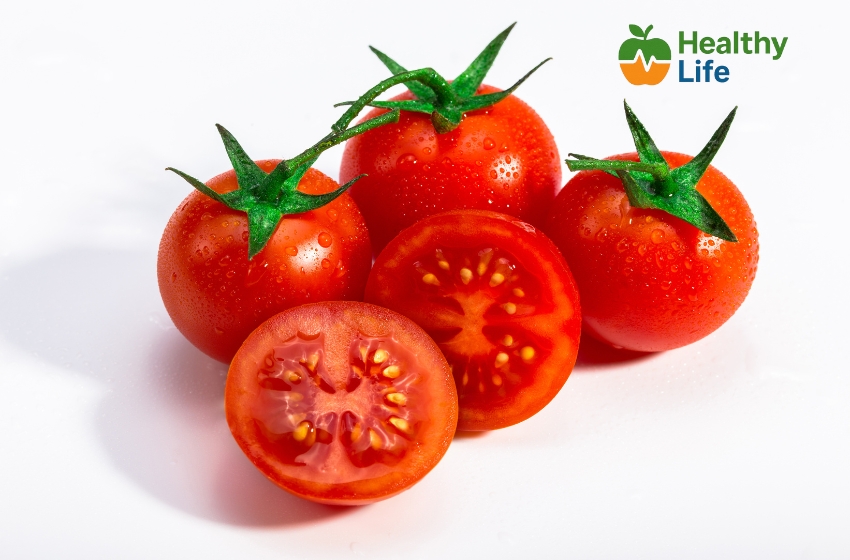
Tomatoes
Why They Shouldn’t Be Refrigerated:
Cold temperatures damage their cell structure, making tomatoes mealy and less flavorful.
Where to Store:
Keep them in a cool, dry place on the kitchen counter.
Healthy Recipe: Fresh Tomato Salsa
- Chopped tomatoes
- Onion
- Coriander
- Lemon juice
- Salt + green chili
Potatoes
Why They Shouldn’t Be Refrigerated:
Cold converts their starch into sugar, giving them a sweet, odd taste and ruining texture.
Where to Store:
In a dark, breathable bag, away from sunlight.
Healthy Idea: Use room-temperature potatoes for baked wedges or aloo methi.
Onions
Why They Shouldn’t Be Refrigerated:
Humidity makes them soft and moldy.
Where to Store:
Keep them ventilated in a mesh basket.
Healthy Recipe: Onion-Garlic Tempered Dal
Enhances immunity and supports digestion.
Why They Shouldn’t Be Refrigerated:
Refrigeration triggers sprouting and reduces flavor.
Where to Store:
In a dry container with airflow.
Bread
Why It Shouldn’t Be Refrigerated:
Cold makes bread stale faster by pulling out moisture.
Where to Store:
In an airtight box at room temperature.
Healthy Tip: Toast stale bread lightly to revive texture.
Honey
Why It Shouldn’t Be Refrigerated:
Cold causes crystallization, making it grainy and hard.
Where to Store:
Room temperature shelf.
Healthy Recipe: Honey-Lemon Morning Drink
Boosts digestion and energy.
Why They Shouldn’t Be Refrigerated:
Coffee absorbs moisture and odors, weakening its aroma.
Where to Store:
In an airtight container away from light.
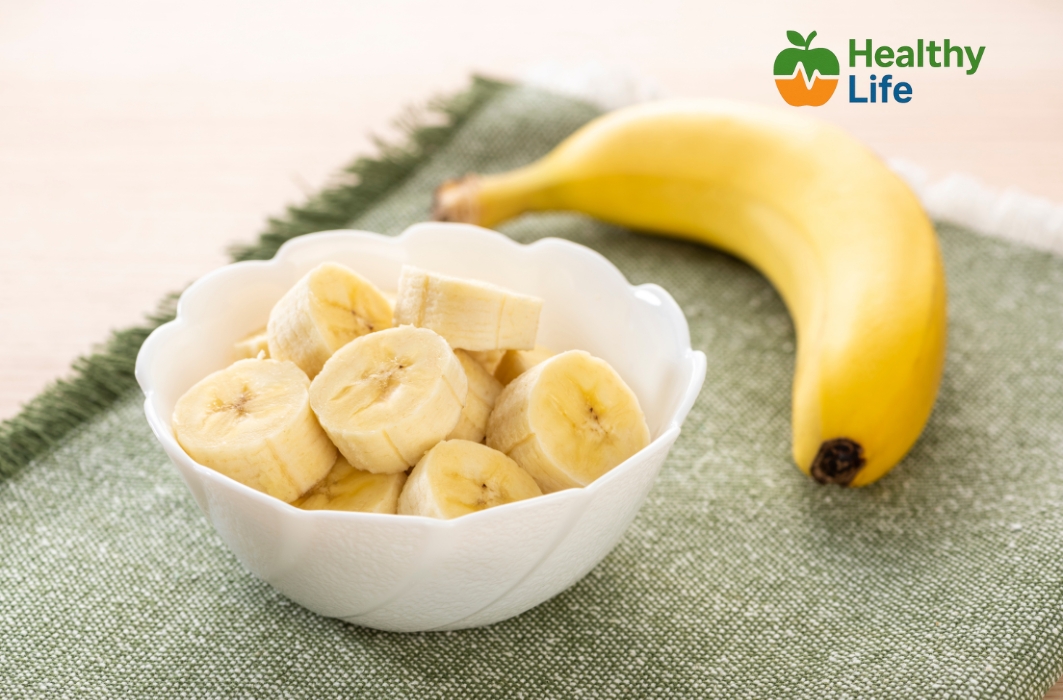
Bananas
Why They Shouldn’t Be Refrigerated:
Cold turns the skin black and halts natural ripening.
Where to Store:
On the counter, separated from other fruits.
Why It Shouldn’t Be Refrigerated:
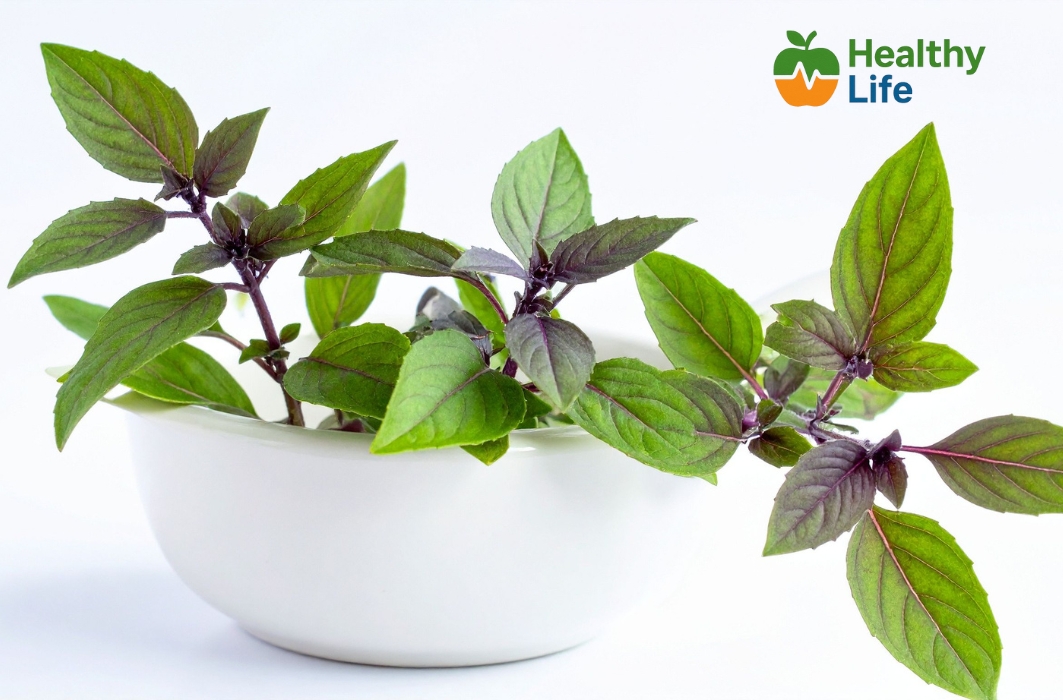
Basil turns black and loses aroma in cold air.
Where to Store:
Like fresh flowers-stems in water.
Healthy Recipe: Basil Infused Lemon Water
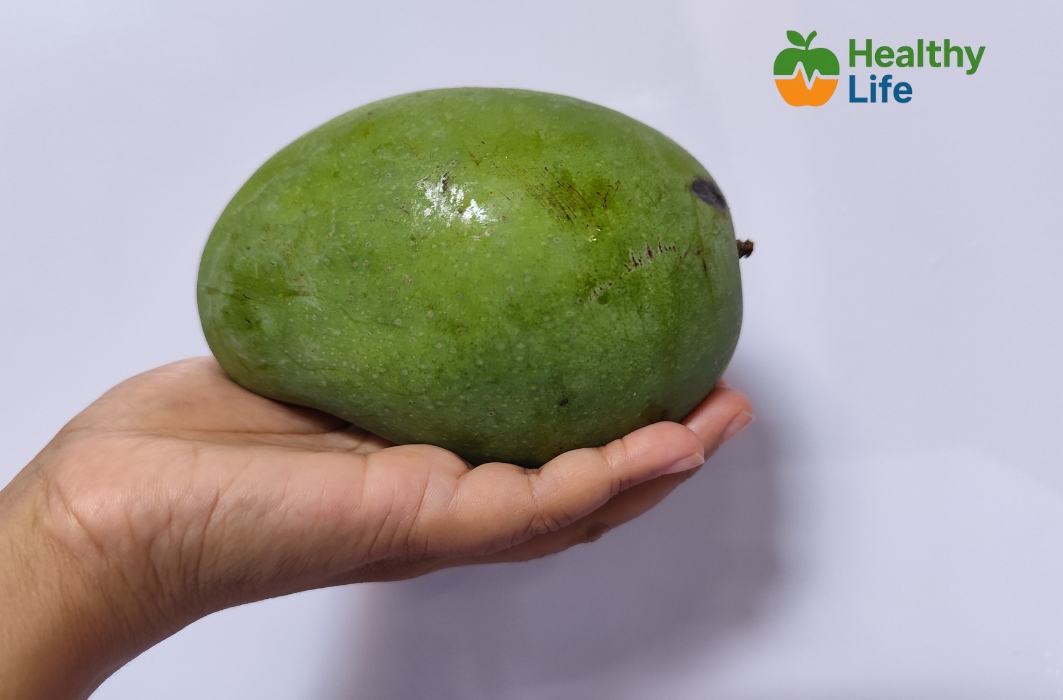
Mangoes (Unripe)
Why They Shouldn’t Be Refrigerated:
Cold stops ripening completely.
Where to Store:
Wrap in paper to ripen naturally.
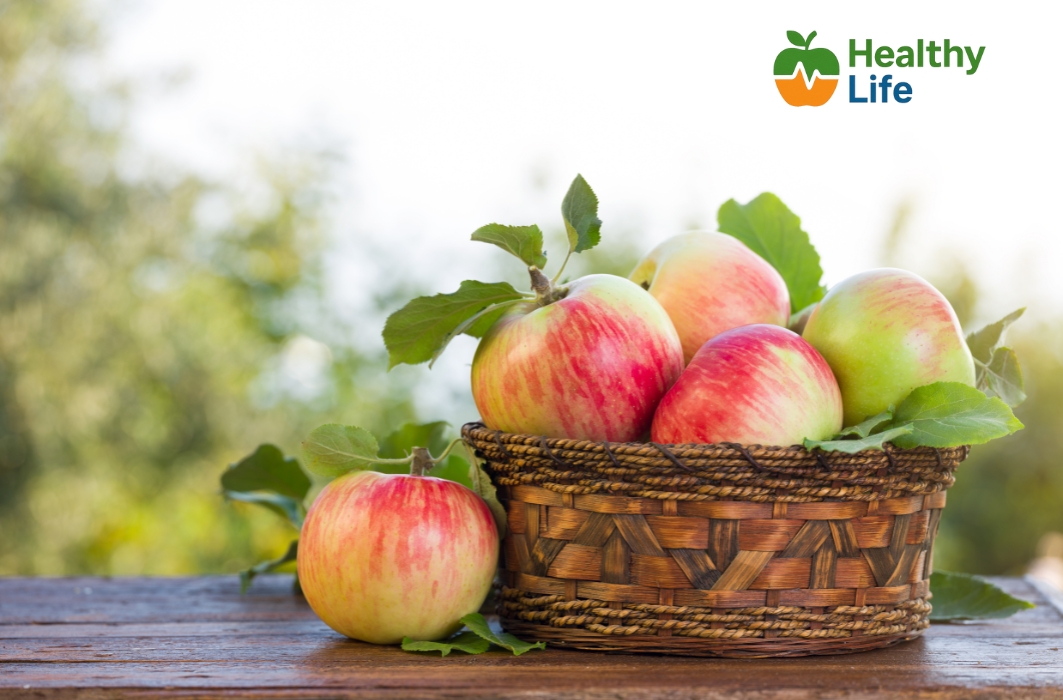
Apples (Short Term)
Why Avoid Refrigeration Initially:
Fresh apples lose crispness in cold storage.
Where to Store:
On the counter for up to 7 days.
Refrigerate only if storing longer.
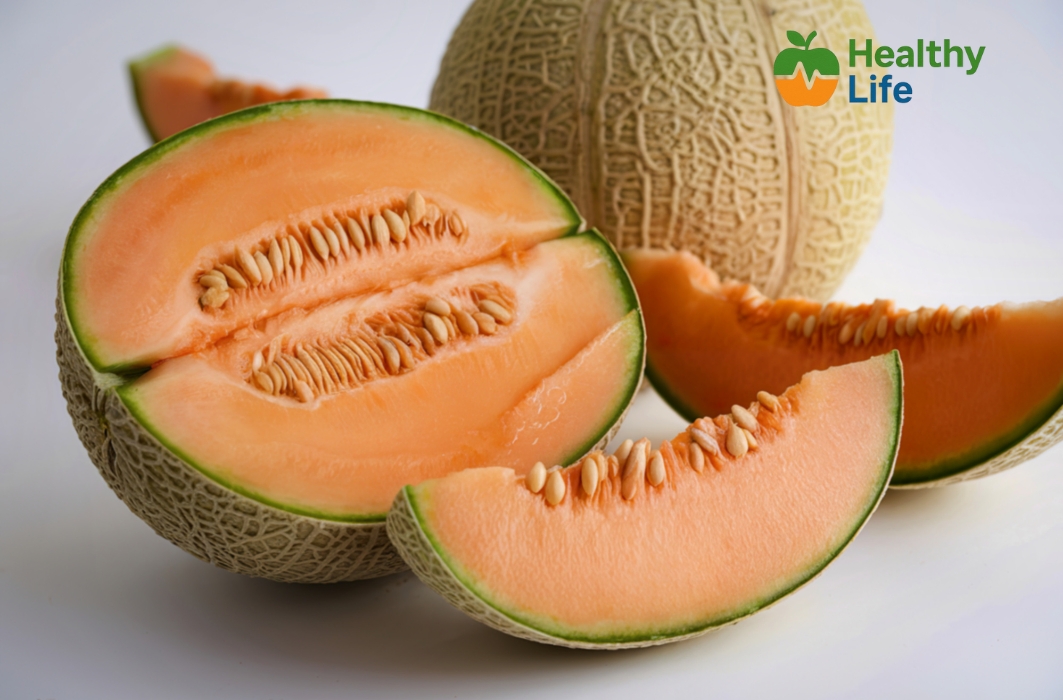
Melons
Why They Shouldn’t Be Refrigerated Whole:
Whole melons lose antioxidants when kept in cold environments.
Where to Store:
Counter top.
(Once cut, refrigerate.)
Healthy Recipe: Melon Mint Bowl
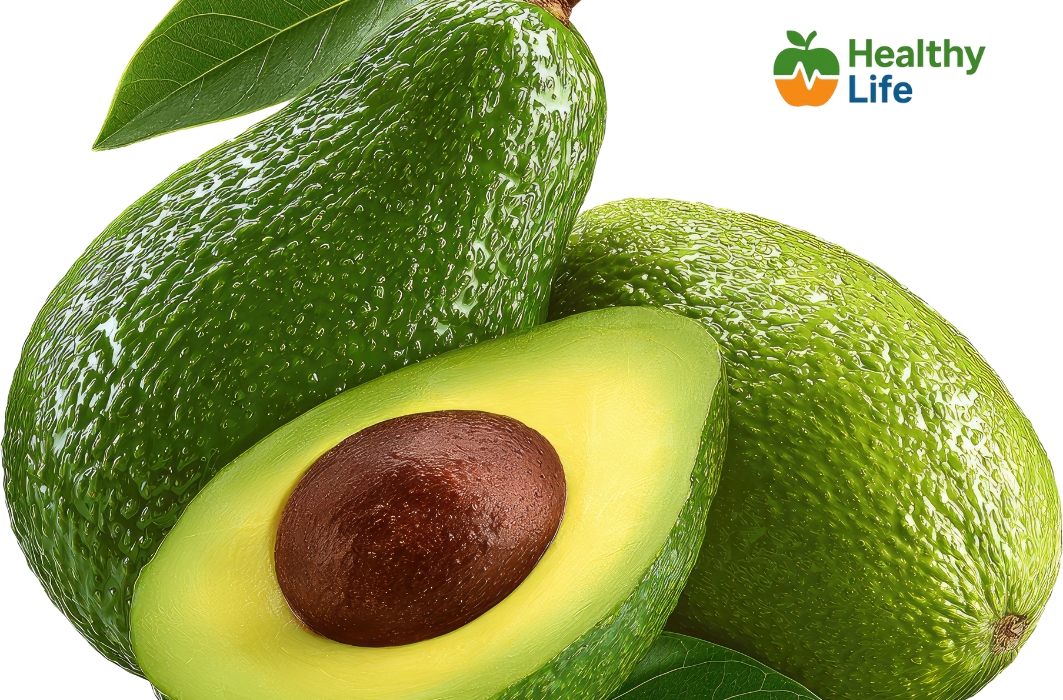
Avocados (Unripe)
Why They Shouldn’t Be Refrigerated:
They will not ripen properly, becoming rubbery.
Where to Store:
In a paper bag at room temperature.
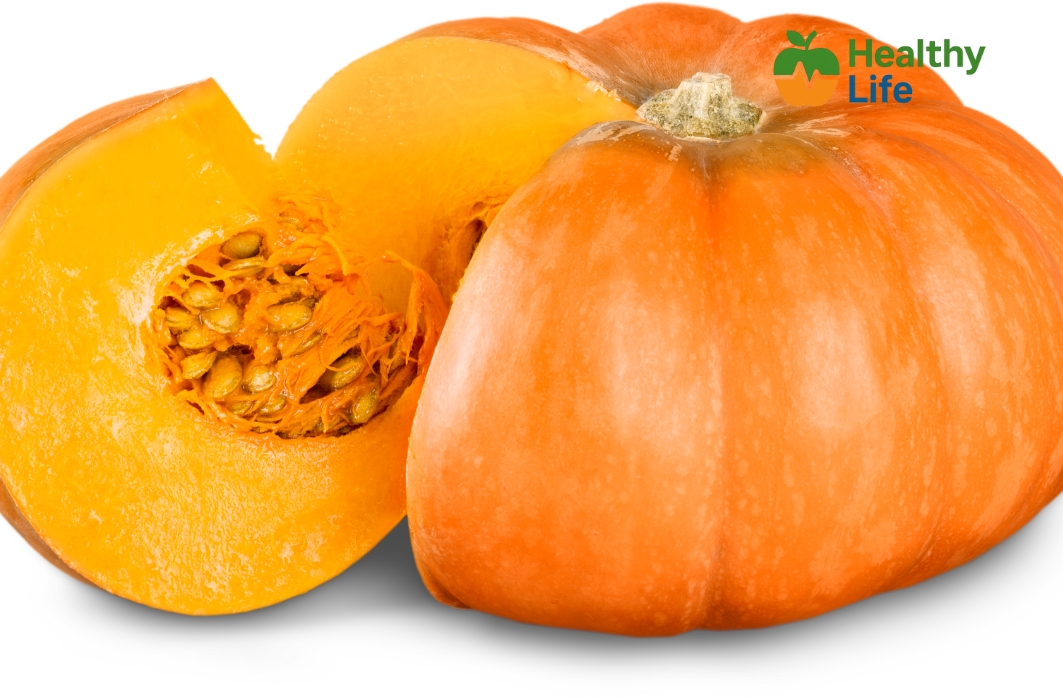
Pumpkin
Why It Shouldn’t Be Refrigerated Whole:
Cold makes pumpkin flesh stringy and reduces sweetness.
Where to Store:
In a cool, dark corner of the kitchen.
Healthy Recipe: Pumpkin Soup with Ginger
Warm and comforting for evenings.
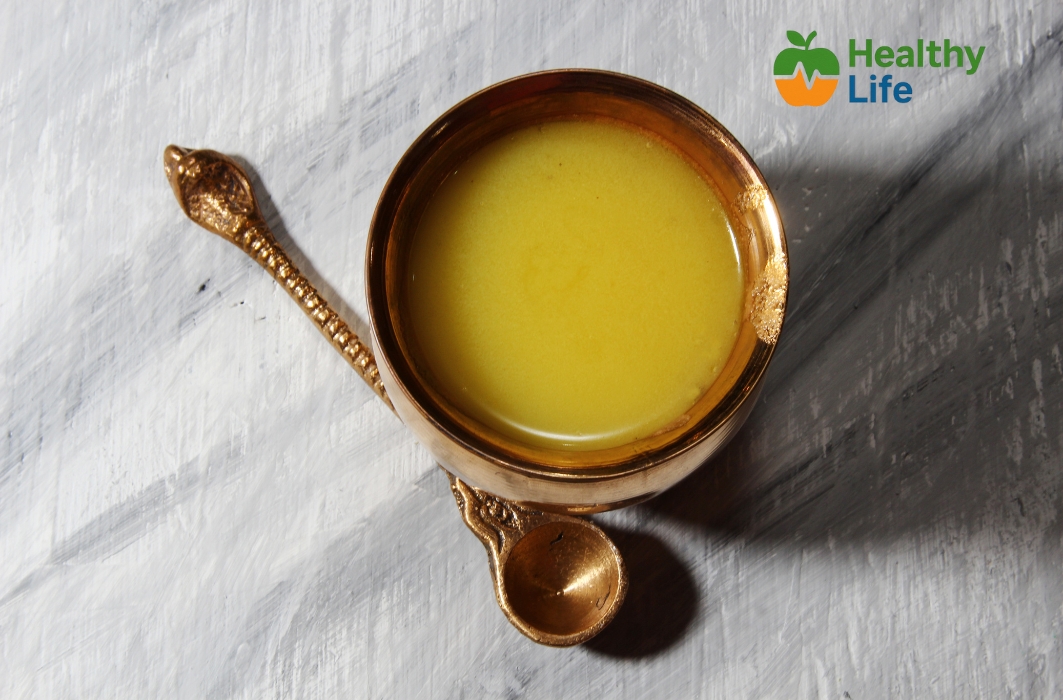
Ghee
Why It Shouldn’t Be Refrigerated:
Ghee naturally holds well at room temperature and refrigeration hardens its texture.
Where to Store:
Dark, cool shelf.
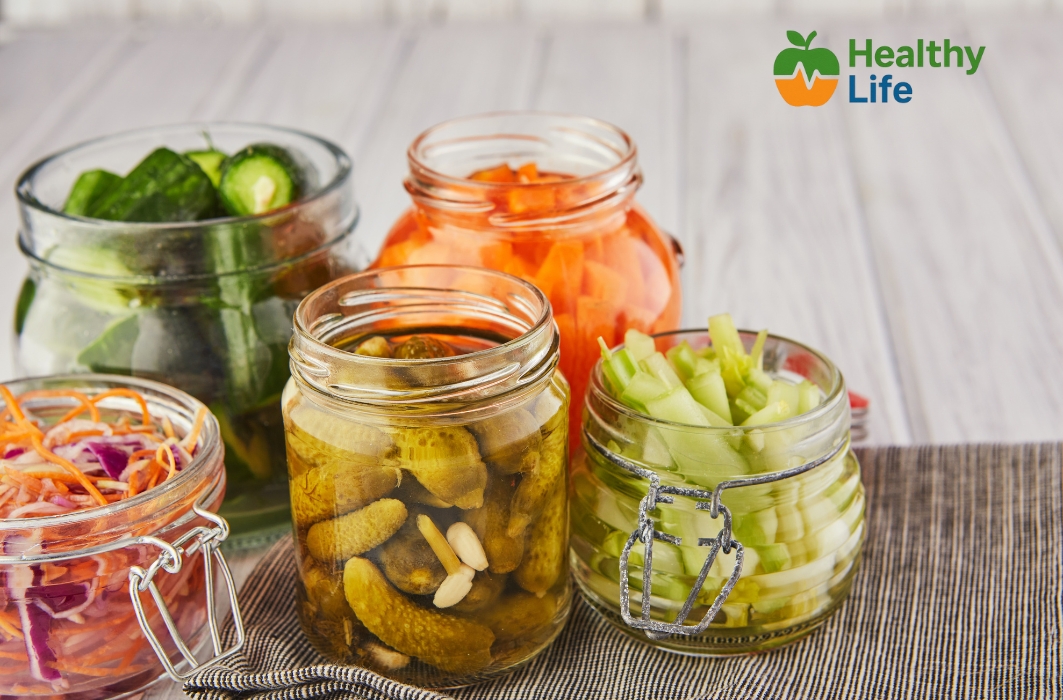
Pickles
Why They Shouldn’t Be Refrigerated (In Indian Climate):
Pickles rely on natural oils and salt for preservation. Cold may interfere with fermentation.
Where to Store:
Room temperature in airtight jars.
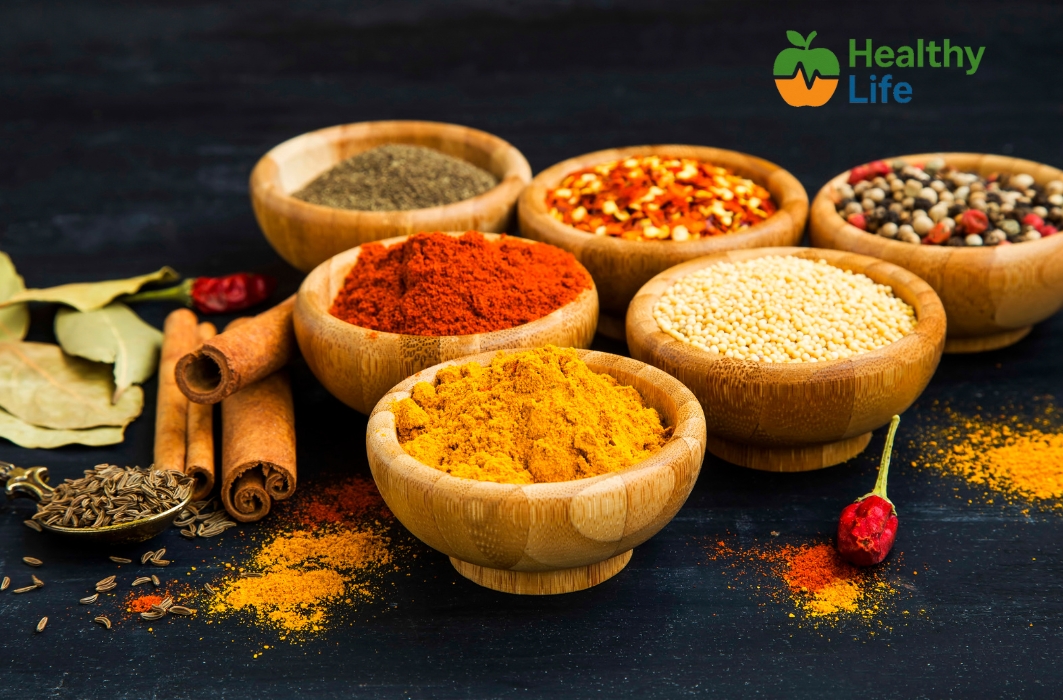
Spices
Why They Shouldn’t Be Refrigerated:
Spices absorb moisture in the fridge, losing aroma and forming lumps.
Where to Store:
Dry spice cabinet away from heat.
When Should You Avoid Refrigeration?
The general rule:
If a food grows in a warm climate and can naturally stay stable outside, refrigeration may harm its flavor or texture.
Foods Not to Refrigerate | 5 Common Storage Mistakes People Make
- Storing cut fruits uncovered
- Putting warm food directly into the fridge
- Keeping milk in the fridge door (temperature fluctuates)
- Storing leafy greens without drying them
- Overcrowding the refrigerator
A QUICK HealthyHarsh CHEATSHEET
Foods that prefer room temperature:
Tomatoes, onions, garlic, potatoes, honey, bananas, pickles, bread, whole melons, spices, ghee.
Foods that must be refrigerated:
Milk products, cooked meals, leafy greens, cut fruits, sauces.
Conclusion: HealthyHarsh Life
At HealthyHarsh,
Food storage is not just about convenience-it directly affects freshness, taste, and nutrition. Understanding which foods don’t belong in the refrigerator helps reduce waste, keeps your meals flavorful, and saves time on cooking and planning.
A little awareness goes a long way in maintaining a healthier, smarter kitchen. Start with a few ingredients from this list, and you’ll notice immediate changes in both flavor and shelf-life.